When is the Best Time of Year to Visit Eryri (Snowdonia)?
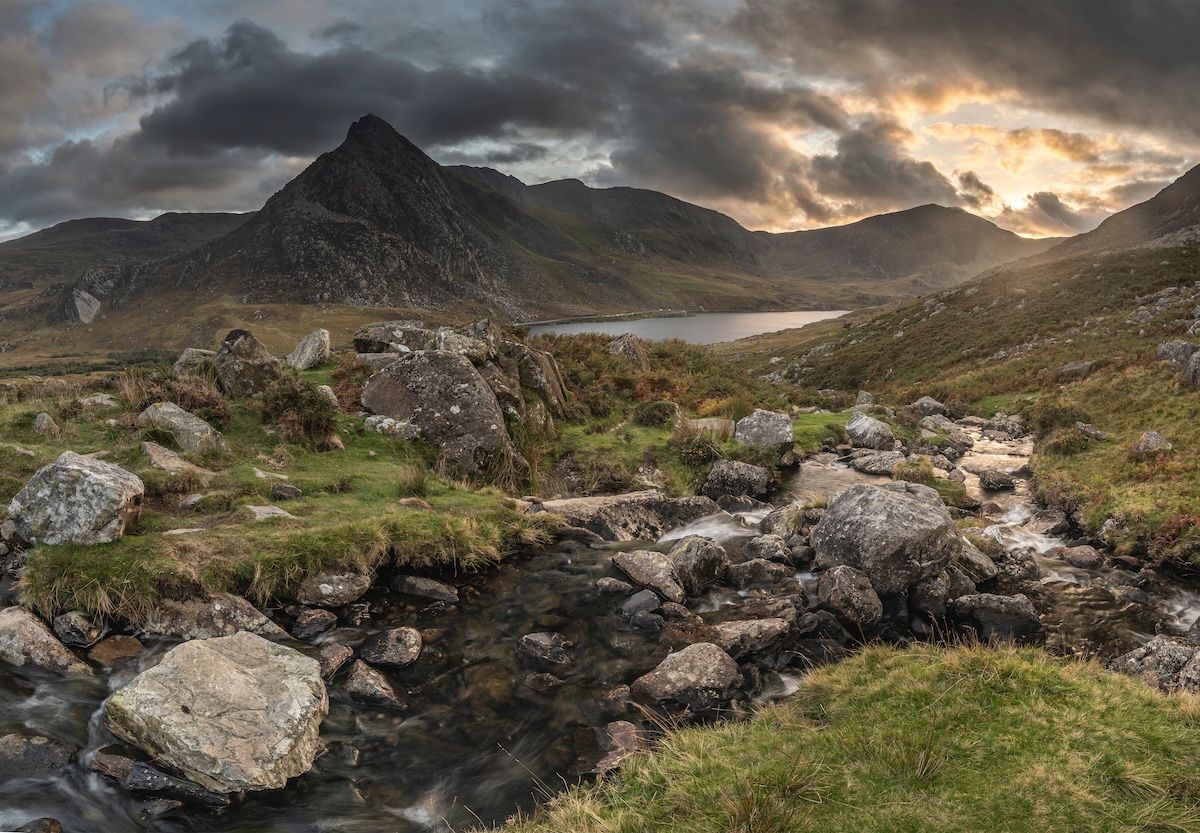
Mountains, mist, sunshine, showers, from golden summer evenings to crisp, fog blanketed winter mornings, Wales is a country whose skies are constantly changing; an excellent example of an area where you can experience all four seasons in one day is Eryri (Snowdonia) National Park. Not so far from civilization that you are unable to stay right in the heart of it, but so far removed that every valley and mountain raised from the ground can immerse you in a dramatic concave of stormy weather and saturated grass, of warmth and wilderness and walking boots caked in mud all in the space of one unplanned trek.
For some this might sound unpleasant, but for the thousands of visitors who take to Eryri (Snowdonia)'s sweeping summits every month, this is exactly its appeal. However, if you do happen to stumble upon the wrong time of year, you might be less pleasantly surprised—unless, of course, you had already planned a long list of exciting indoor activities and charming pub lunches along the way. So, you are probably asking, when exactly is the best time to visit Eryri (Snowdonia) and what should I plan while I'm there? Rhyd y Galen Caravan Park is about to explain.
An approximate explanation of Rhyd y Galen’s climate
It's quite difficult to give an accurate description of a country's yearly climate, but having a solid understanding of the overall weather can help you plan for both best and worst case scenarios.
Eryri (Snowdonia) has a temperate maritime climate, meaning summers are generally mild rather than hot and winters can be cold, wet, and occasionally snowy. Rain is possible year round. Temperatures typically range from around 2–7°C in winter to 14–19°C in summer, with July being the warmest month.
Rainfall is fairly consistent, though late autumn and winter tend to be the wettest, while late spring and early summer are often drier.
In short, there is never a bad time to visit Eryri (Snowdonia), but there are definitely times where you can expect far warmer weather, like any other country.
Of course, we always recommend checking the
MET Office weather report for Eryri the week before your visit to make sure you know exactly what to expect.
Seasonal fluctuations
Spring in Snowdonia
March-May
After the quiet of winter, the valleys begin to turn green again, wildflowers appear, the cold weather breaks into slightly less cold weather, and waterfalls are often at their most dramatic thanks to recent rainfall. It’s often considered one of the loveliest times to explore on foot. Temperatures typically sit between 9°C and 14°C, making it comfortable for walking without overheating.
March can still feel a little wintery and is often full of sweeping showers and light lilts of rainfall, but by April and May, your holiday will be full of lighter evenings and a sense of budding energy across the region.
The best activities in spring include:
- Gentle hikes and longer walking routes
- Exploring castles and historic sites
- Paddleboarding or canoeing on calmer waters
- Visiting villages and local cafés without peak season crowds
It’s also one of the best times for families; fewer queues, more space, and that lovely feeling of having the landscape (almost) to yourselves.
Summer in Eryri (Snowdonia)
June-August
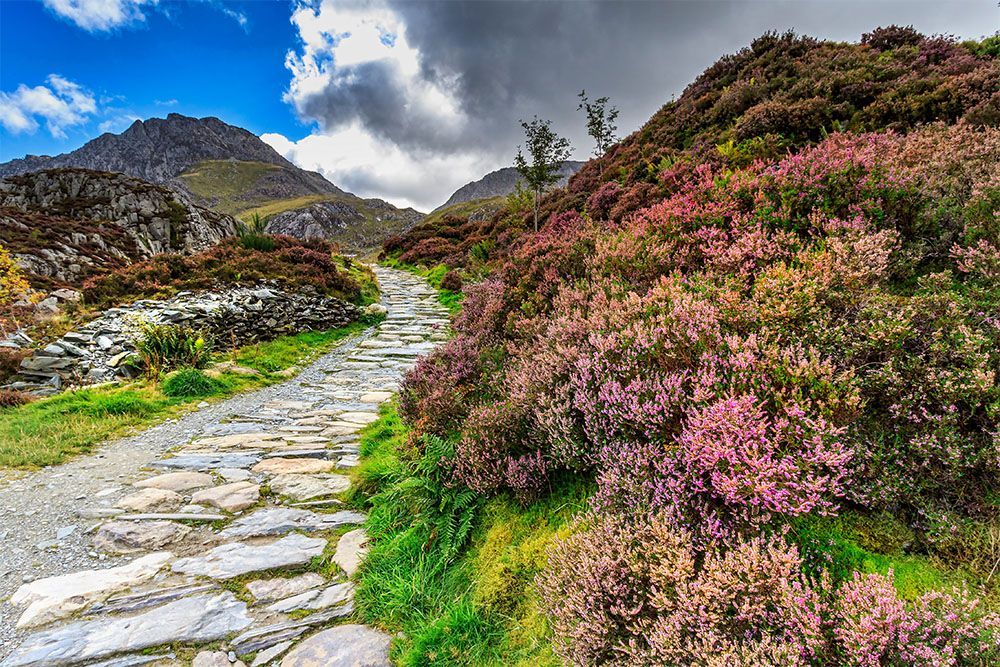
Summer in Eryri (Snowdonia) is the classic adventure season with extended days ideal for long hikes up the mountains and packed holiday itineraries. If you’re after classic camping weather, summer is your moment.
With average temperatures around 17-19°C (temperatures of up to 28°C in July) and the longest daylight hours of the year, it’s the ideal time to make the most of Snowdonia’s great outdoors.
That said, it’s also the busiest time of year. Visitor numbers can increase significantly, especially during school holidays, so planning ahead is essential. If you’re planning a longer stay, this is also when
seasonal pitches at campsites come into their own, giving you a base to enjoy the best of the season without packing up each time.
The best activities in summer include:
- Climbing Yr Wyddfa (Snowdon) or exploring mountain trails
- Swimming, paddleboarding, or kayaking
- Visiting beaches along the North Wales coast
- Railways
- Castles
- Adventure parks
Autumn in Snowdonia
September-October
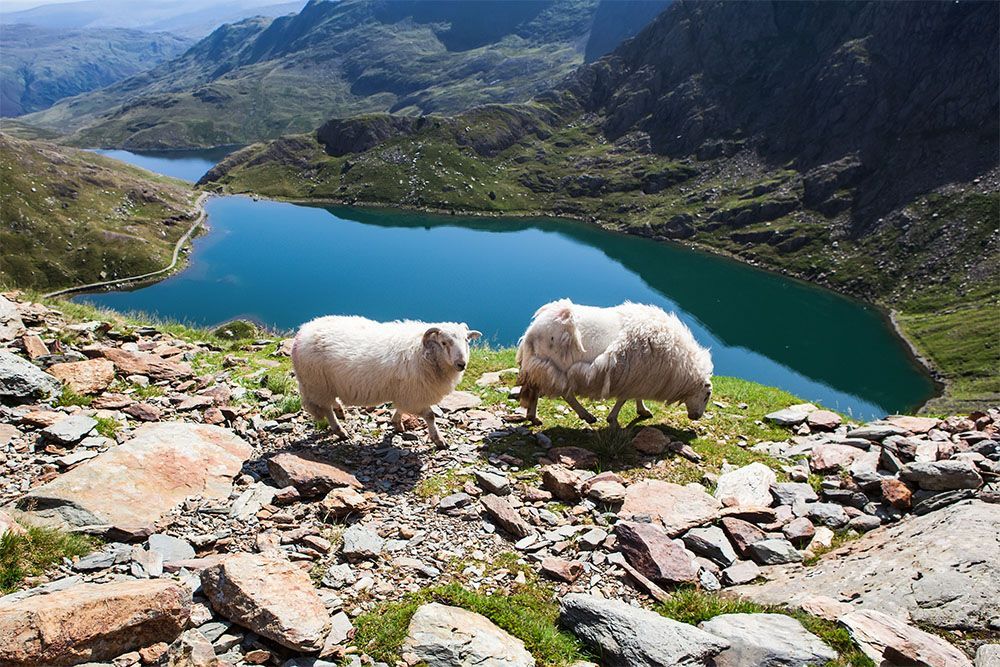
Autumn in Eryri (Snowdonia) brings with it a slower pace. As the weather begins to turn more towards rain, a quieter magic emerges across the vast landscape.
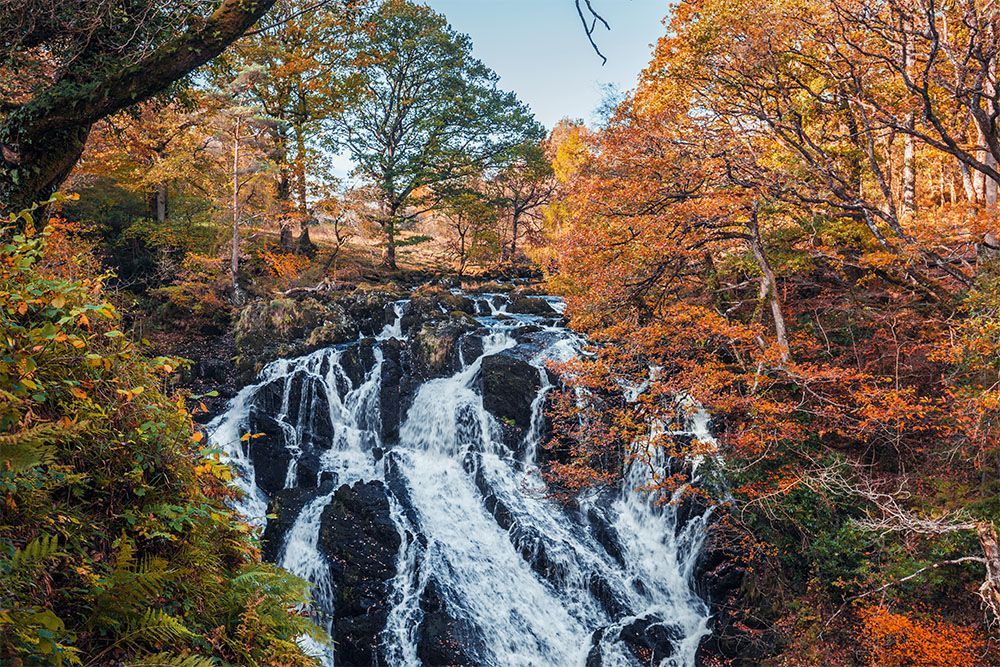
The crowds begin to fade, the air turns crisp, and the landscape shifts into warm tones; it’s a photographer’s dream and a haven for walkers who prefer a touch of solitude and a seemingly endless trail of amber ground smattered amongst the greenery in every possible direction… as long as you don’t mind a touch of unpredictability in the weather.
Temperatures range from 11°C to 17°C, with September often still feeling pleasantly mild before things cool more noticeably in October. Rain becomes more frequent as the season progresses, but with the right layers, it only adds to the mystical atmosphere.
The best activities in autumn include:
- Woodland walks surrounded by autumn colour
- Scenic drives and photography days
- Stargazing in Eryri' (Snowdonia’s) dark sky areas
- Cosy pub stops after blustery walks
- Mountain adventures that feel cinematic
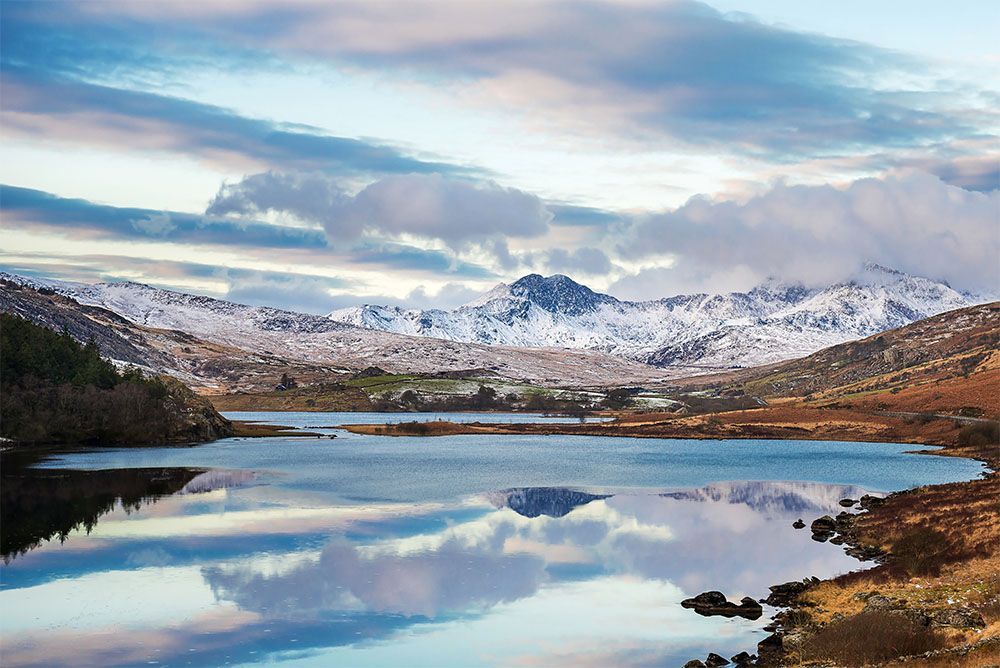
Mountains of Eryri
What to expect month to month in Eryri (Snowdonia)
March
March is unpredictable, but that’s part of its charm. You might experience a bright, spring-like day followed by a sudden return to wintery conditions. The landscape begins to shift, with early greenery appearing and wildlife becoming more active.
It’s a great time for flexible explorers. Pack well, layer up, and you’ll be rewarded with the changing of the seasons.
April
Days are longer, temperatures are milder, moods lighten, and the countryside starts to feel alive again. Wildflowers begin to appear, lambs dot the fields, and walking conditions improve significantly. It’s an excellent time for families and anyone looking to explore without the peak season crowds. Showers are still common, but they’re often brief and followed by bursts of sunshine that make the landscape glow.
May
The weather is usually relatively settled and the scenery is lush and green. It’s an ideal balance of conditions. This is a perfect month for camping.
June
June offers many of the benefits of peak summer, but with slightly fewer visitors. Long daylight hours mean more time for exploring. Conditions are often dry and pleasant, making it one of the best months for active holidays.
It’s also a wonderful time to take advantage of longer stays, settling into a rhythm of adventure by day and relaxed evenings back at camp.
July
The weather is at its warmest in July, and everything is open and ready for visitors. It’s a fantastic time for family camping trips, beach days, wilderness walks, sightseeing, and ticking off those bucket list hikes. Just be prepared for busier trails and plan ahead where possible.
August
August continues the energy of July, with long, warm days and a full calendar of available activities.
It’s a brilliant time for outdoor adventures: swimming, hiking, exploring the coast, or visiting family attractions. Evenings are often mild enough for sitting outside with a good meal, and making the most of campsite life.
While it’s one of the busiest months, it’s also one of the most rewarding if you enjoy a lively atmosphere.
September
September is a favourite for many returning visitors. The weather often remains pleasantly mild, but the crowds begin to thin out. There’s a more relaxed feel across the region, making it easier to explore at your own pace.
The perfect transitional month between summer and autumn.
October
October brings a change in tone. The greens of summer give way to rich autumn colours, especially in woodland areas. There’s a crispness in the air, and the landscape feels more dramatic as mist and cloud roll across the hills. Rain becomes more frequent, but it often adds to the mood rather than detracting from it.
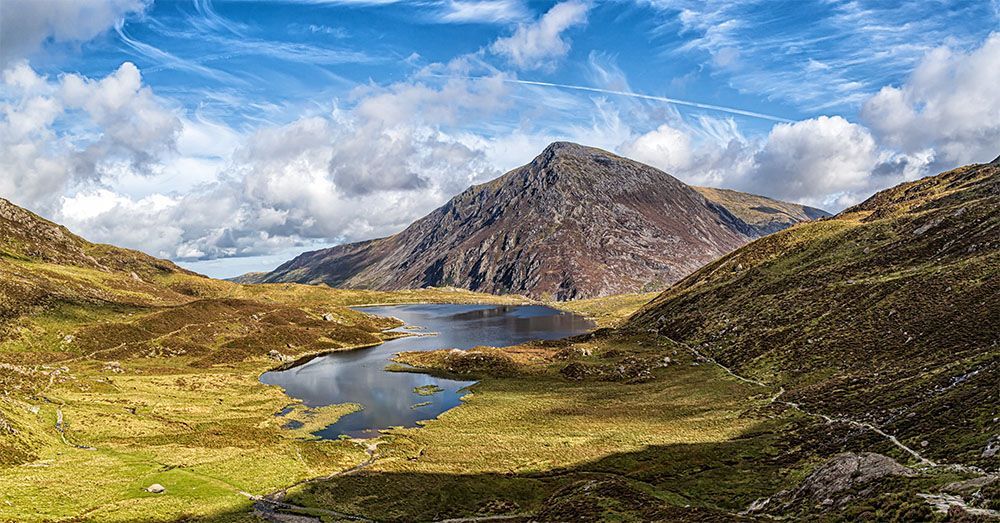
When is the best time to visit?
But the truth is, Snowdonia doesn’t have a single best season. It has twelve slightly different versions of itself, each with its own charm and each suited to different types of holidayers.
But, if you’re looking for a simple answer:
March to May: Best for fewer crowds and great scenery.
June to August: Best for weather and outdoor activities.
September to October: Best for peace and atmosphere.
Eryri (Snowdonia) isn’t a place you visit just once. It’s a place that changes with the seasons and keeps drawing you back. One trip might be filled with sunshine and summit views, another with misty mornings and quiet lakes. Both are equally memorable, just in different ways.
So whether you arrive in spring bloom, summer warmth, autumn glow, or winter stillness, one thing is certain: There’s always something waiting for you here.
All you need to do is pick your moment, and pack for a little bit of everything.
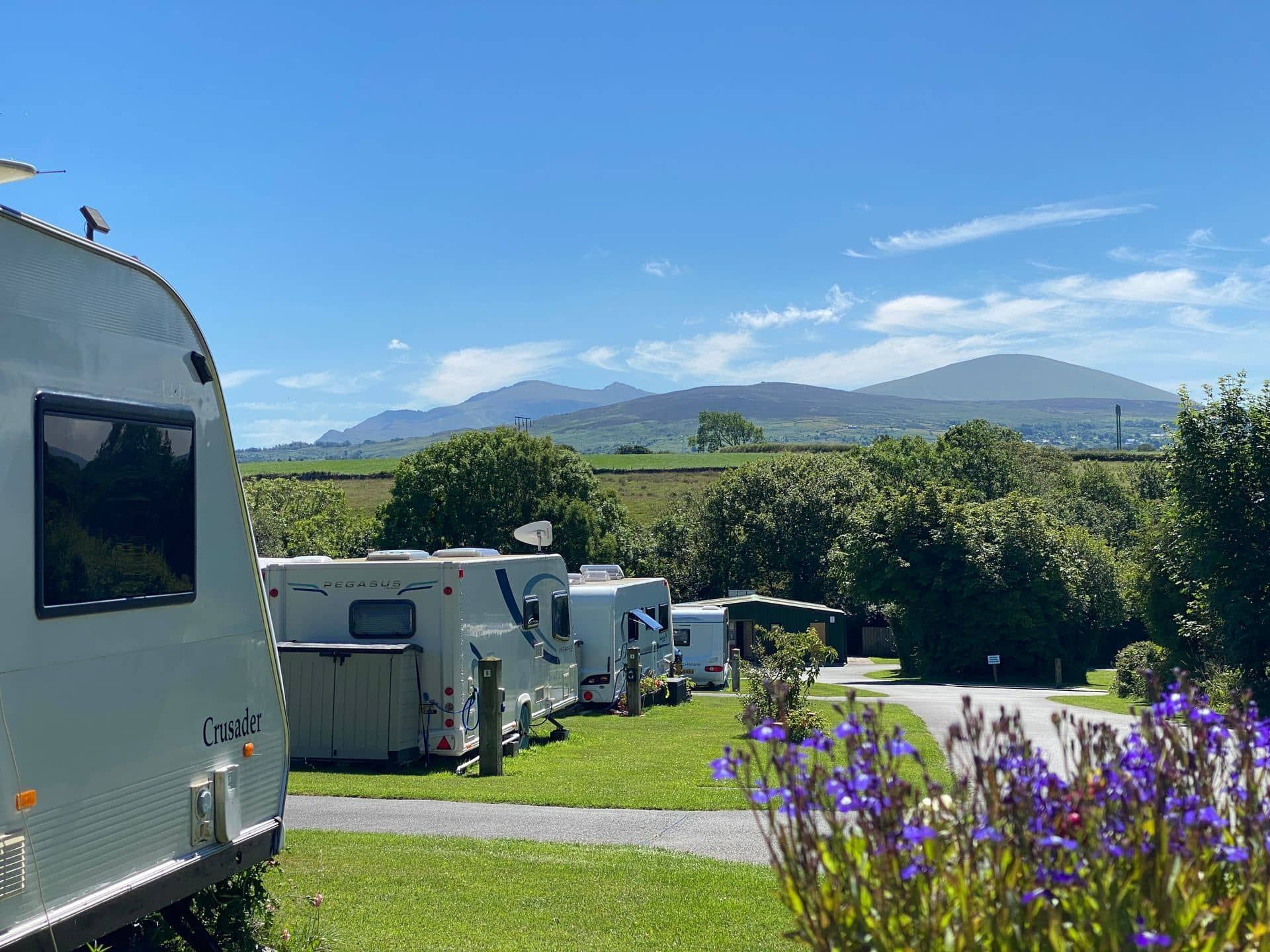
If you’re planning to visit during the warmer months,
Rhyd y Galen Caravan Park is the ideal spot to shuck off your walking boots and wipe down your children’s welly boots in a relaxed and welcoming atmosphere.
Our
seasonal pitches allow you to settle in and enjoy the best of Snowdonia at your own pace; no packing up, no rushing, just more time to explore and return to your favourite spots again and again.