Wildlife to Spot in Eryri (Snowdonia)
Inside the Eryri (Snowdonia) wilderness, immersed high in the mountains or lurking in the depths of waterways, you’ll find a world of wildlife that takes you away from the common city and plops you straight into the backdrop of a storybook. From the common to the endangered, creatures you’ll need an expert eye to see, and even some who plop themselves right in front of you, there’s no feeling quite like separating yourself from the roads and stepping into a life untouched by humans, where the wild and the wonderful thrive.
Trust
Rhyd y Galen to put you right in the heart of the wildlife close to our heart and our caravan park, because showing you where to look is a privilege we’re proud to have.
Badgers
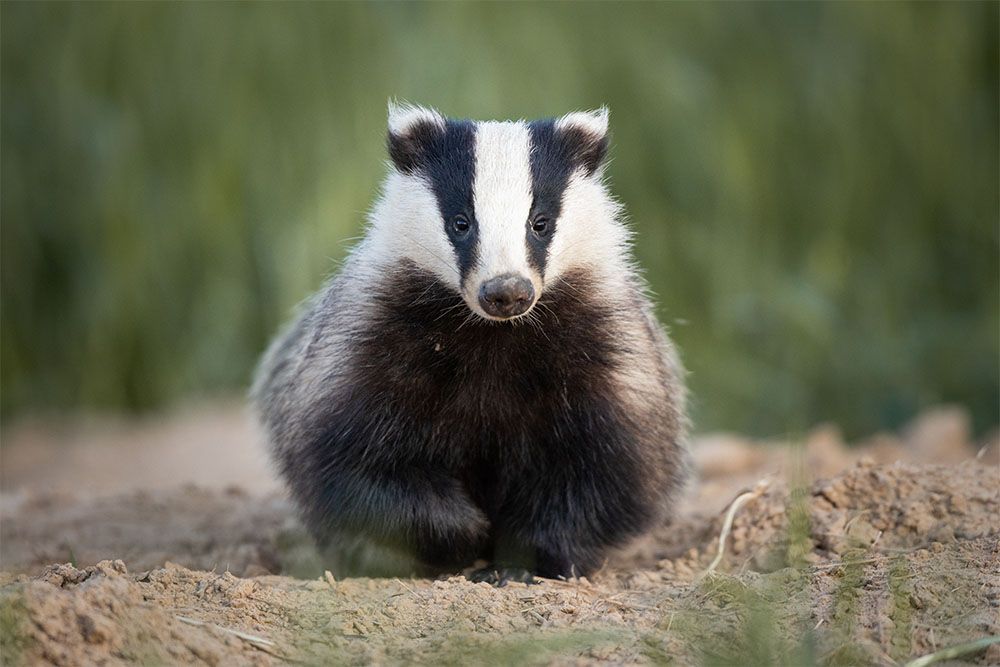
Badgers, although difficult to spot in forests, are one of the most distinctive and beloved animals in the UK with their black and white facial markings and shiny black snout. Found mainly in woodland and active at night, there’s something particularly special about spotting a wild badger bounding between the trees; a sight few have seen off camera.
The stuff of storybooks and folklore, badgers live in underground tunnels called setts that are protected by the law; if you happen upon one, mind your feet and leave them undisturbed. But, if you’re patient, you might catch the tip of a nose emerging into dusk.
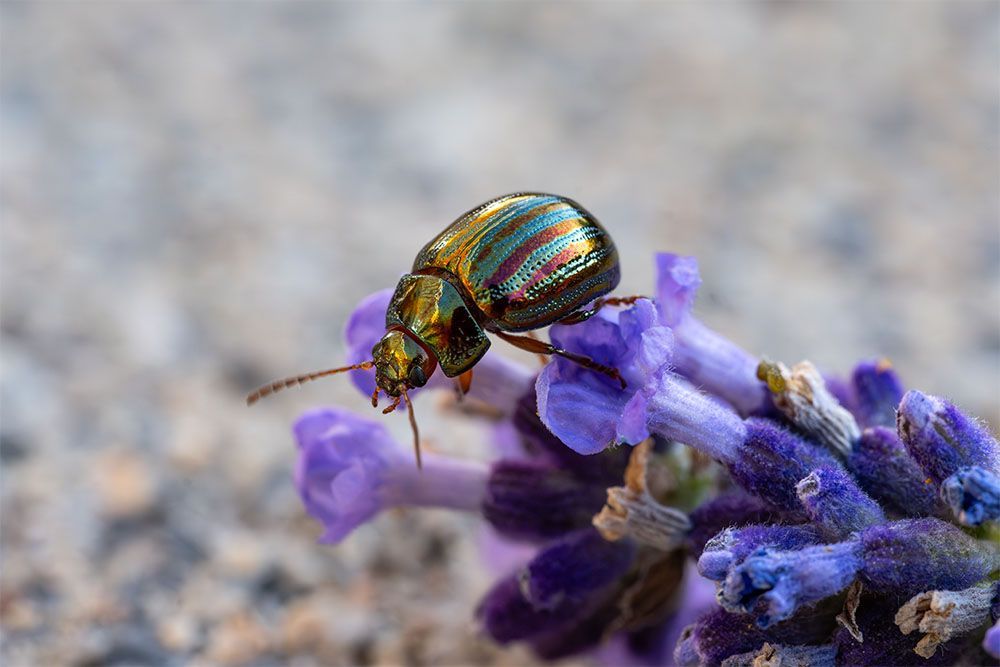
Rainbow Leaf Beatle
The Snowdon leaf beetle is a unique species found only in very specific parts of the world, including the slopes of Yr Wyddfa (Snowdon). And yes, it is often referred to as the rainbow leaf beetle for exactly the reason you’d expect; its shell is a remarkable iridescent array of colours. It is classified as an endangered animal because the climate it thrives in, high mountainous regions, is under threat from climate change, so it is even more important that individuals visiting this region find and celebrate this wonderful, and tiny creature.
Flightless and easily disguised in a flower power parade, we highly recommend making your ascent even more special by putting the Snowdon leaf beetle on your wildlife spotting list.
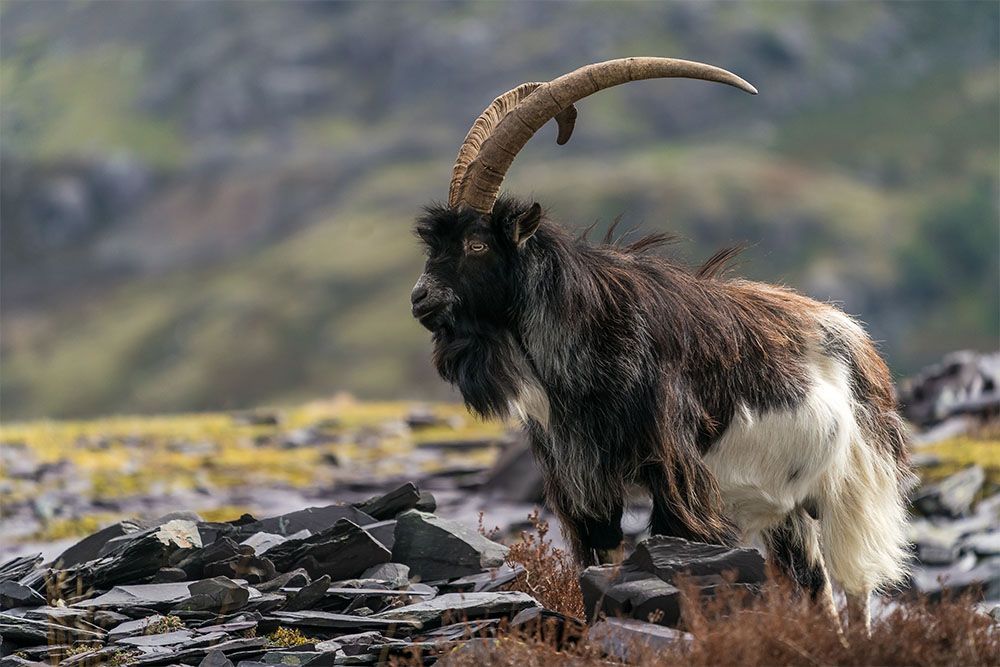
Wild Mountain Goats
Welsh mountain goats have occupied the mountains and hilly terrain of Eryri (Snowdonia) for centuries. Forming family herds, these furry creatures are easily identifiable by their prominent curved horns and are hard to miss if you visit the Ogwen Valley. They have the appearance of domestic goats but, despite the belief that they’re descended from agricultural species, they roam the valley freely, providing a necessary service to the ecosystems of Snowdonia National Park.
Be warned, however, because if you visit this valley and hear a loud cry that sounds like a stranded human calling for help, it might just be a goat. As wonderful as the scruffy wanderers appear, they are known to confuse hikers with their loud calls, causing mountain rescue to be called out on a number of unnecessary rescue missions.
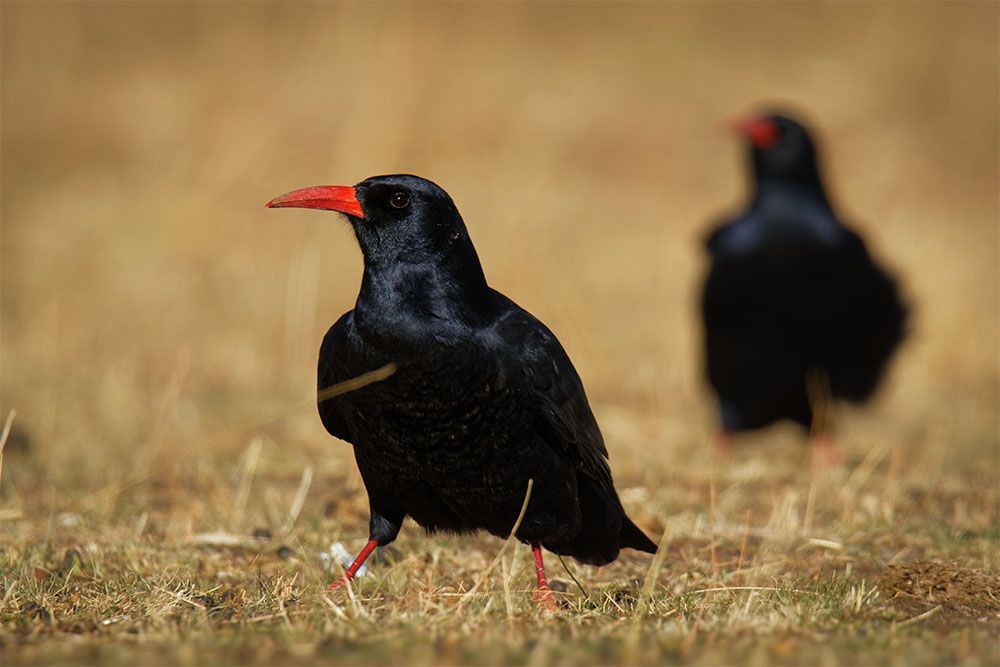
Red Billed Chough
The red billed chough is rare and elegant, boasting sleek black feathers and a bright red curved bill and equally vivid legs, making them a distinctive sight out in Eryri’s countryside.
Choughs favour cliff edges and upland pastures, often performing dramatic aerial displays as they forage for insects. Eryri is one of the few safe havens for this protected species, so catching sight of one can feel akin to finding treasure. Listen for their distinctive, cheerful call bouncing off the rocky slopes.
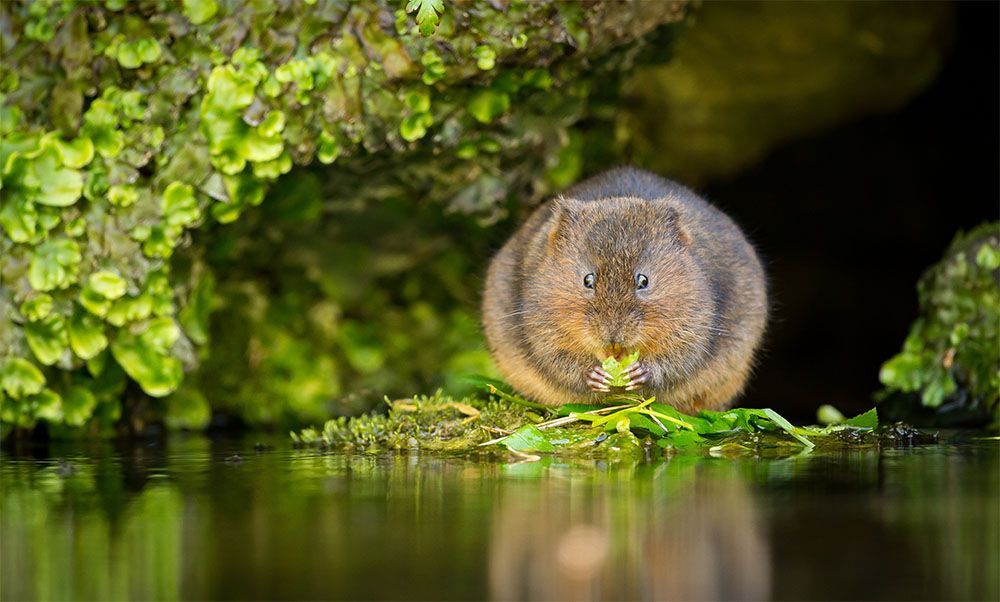
Water Voles
Water voles are making a quiet return to riverbanks in Snowdonia, and it’s a true joy to catch one nibbling on the side of a marsh or stream. Water voles look like small brown rats, with more rounded bodies and tiny paws that they use to hold on to grass. They have small ears and a fluffy tail, known to be elusive as they hide in their waterside nests.
Telltale signs of a water vole include grass that is cut at a 45 degree angle, and a small burrow nearby. They tend not to venture far from their nests, so if you find one, the vole won’t be far away.
Common Frog
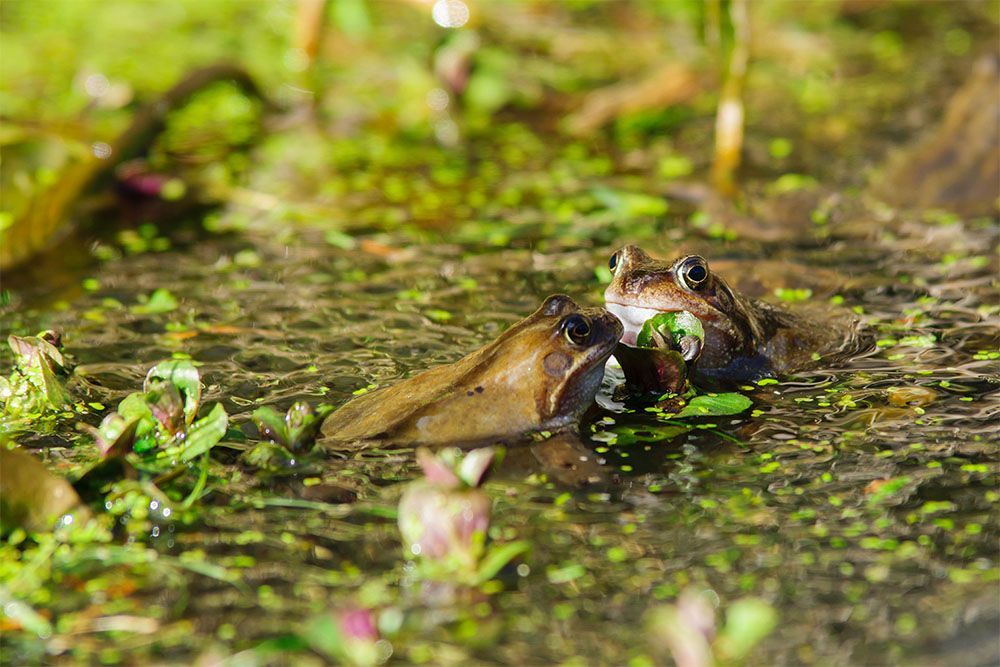
If you’re not lucky enough to spot a water vole, then you might just find common frogs in their stead, springing from patch to patch of damp grassland like tiny acrobats. These amphibians are common by name and common by nature across Snowdonia’s wetlands, ponds and marshy hollows.
Olive green or brown with dark markings, they are masters of vanishing into the undergrowth, but if you pause a moment and let your eyes adjust, you may notice a sudden leap or the soft plop of a frog disappearing into water. During early spring, you might even see clusters of frogspawn, gelatinous signs that the next generation is on its way. It’s always best to observe from a respectful distance to avoid disturbing these delicate early life stages.
Bottlenose Dolphins and Harbour Porpoises
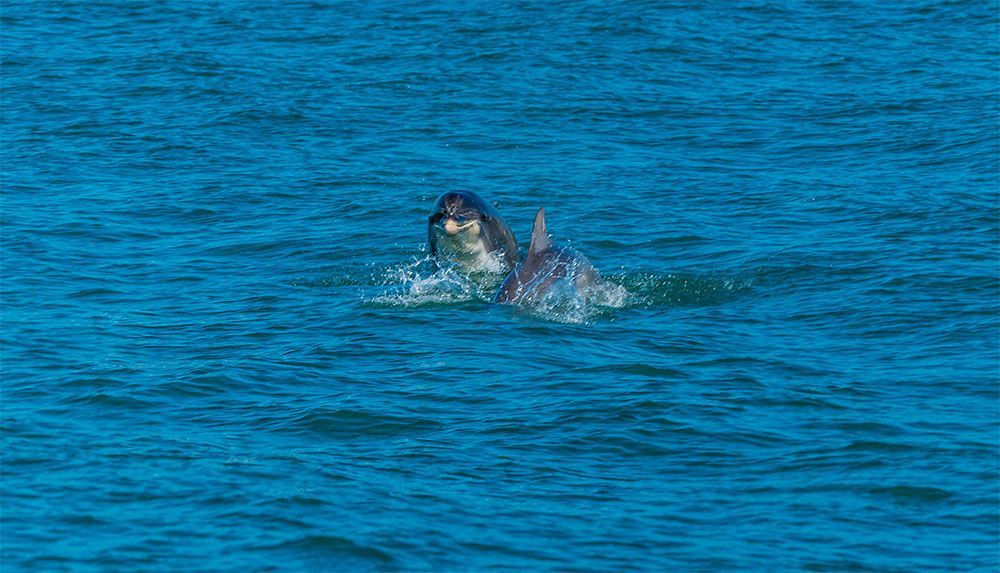
Snowdonia’s coastline is alive with some of the UK’s most charismatic marine wildlife. Out in Cardigan Bay, bottlenose dolphins carve through the waves with effortless grace, often travelling in playful pods that leap and twist as if performing just for you. They’re larger than many people expect, with a reputation for curiosity around boats.
Sharing these waters are harbour porpoises, shyer and smaller than their dolphin cousins. Look for a small, triangular dorsal fin rising briefly above the surface before slipping away again. They’re gentle, quiet and wonderfully calming to watch, proof that Snowdonia’s wild magic extends far beyond the foothills of her peaks.
Cuckoos
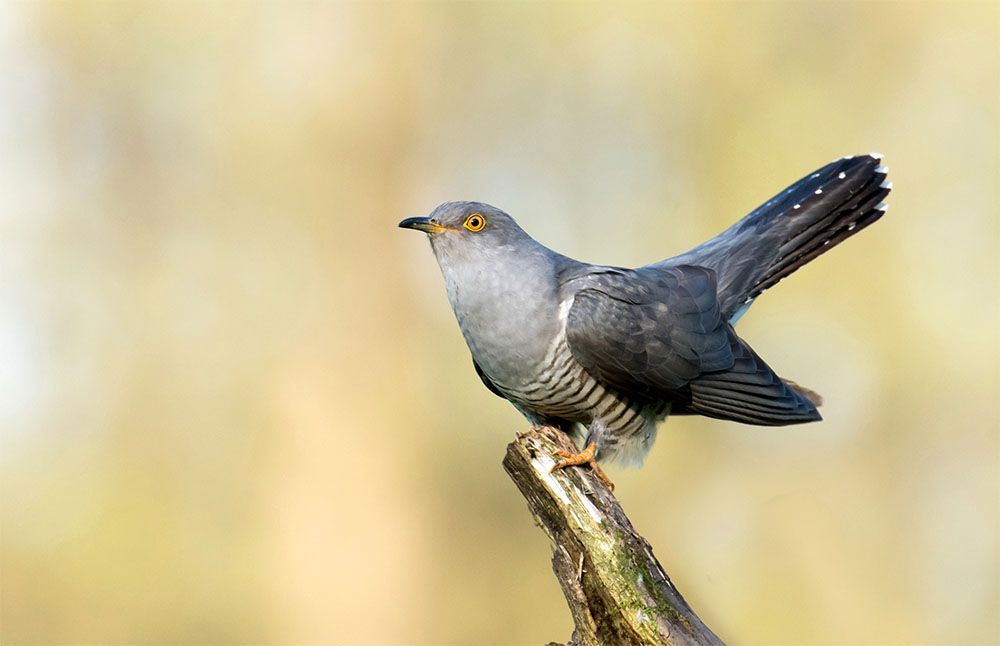
The cuckoo arrives in Snowdonia each year with its unmistakable two-note call echoing across moorland and valley. You may well hear one long before you see it. Grey and surprisingly hawk-like in flight, cuckoos are famous for their cunning nesting strategy: laying eggs in other birds’ nests. While they may not win any wildlife parenting awards, they certainly add character to the chorus of birdsong around the National Park.
If you’re camping in Snowdonia during late April or May, their call is as much a part of the experience as lacing up your boots for a morning hike.
Peregrine Falcon
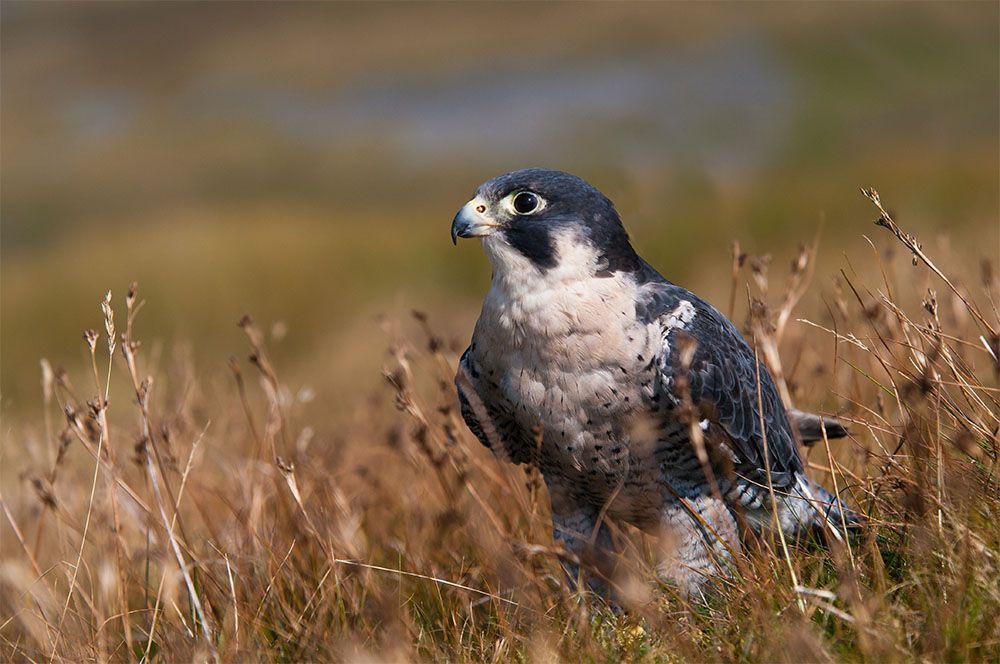
The fastest animal on Earth can often be seen circling high above crags before diving at astonishing speeds to catch prey. The cliffs and open moorland of Eryri (Snowdonia) offer perfect hunting grounds for these formidable birds. Seeing a peregrine is always a thrill, one moment the sky is empty, the next a dark silhouette carves through the air with unmatched precision. Bring binoculars if you have them; this is one wildlife encounter you won’t want to rush.
Kingfishers
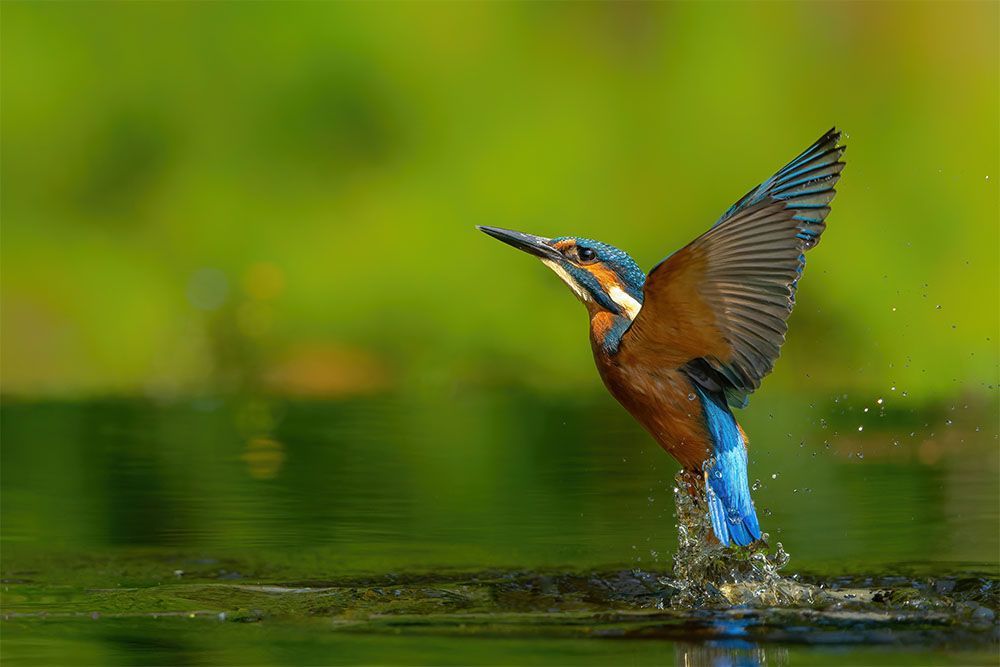
Follow a quiet riverbank in Snowdonia and you may be rewarded with one of Britain’s most dazzling sights: a kingfisher streaking past like a flying jewel. Electric blue wings and an unmistakable orange tummy, they perch silently above water before arrowing downward in a rapid plunge to catch fish.
Kingfishers favour slow moving rivers and lakes with plenty of overhanging branches; perfect spots to pause during a walk. They are small, fast and notoriously elusive, but even the briefest glimpse is unforgettable.
Once you’ve taken your time exploring the spectacular species that inhabit the Eryri (Snowdonia) National Park has to offer,
Rhyd Y Galen Caravan Park
provides the perfect spot to slip off your walking boots whilst remaining submerged in the stunning landscape. Our
caravan park,
campsite and
glamping accommodation is a great base for exploring everything North Wales has to offer without removing yourself completely from the experience.
Book your getaway online today.